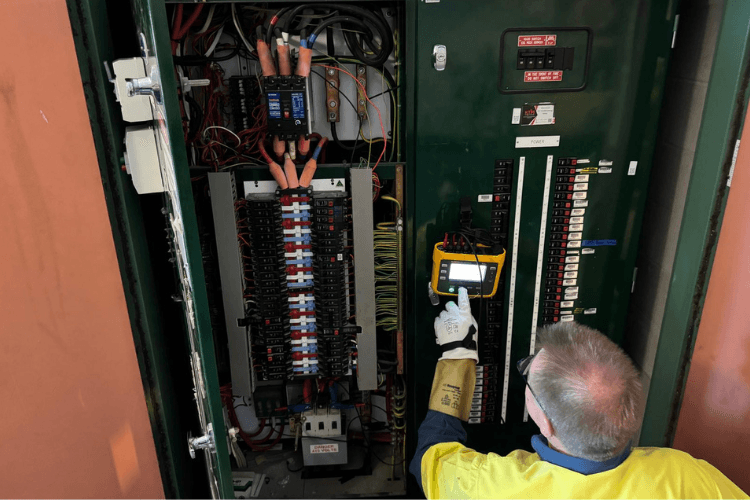
Core Legal Position
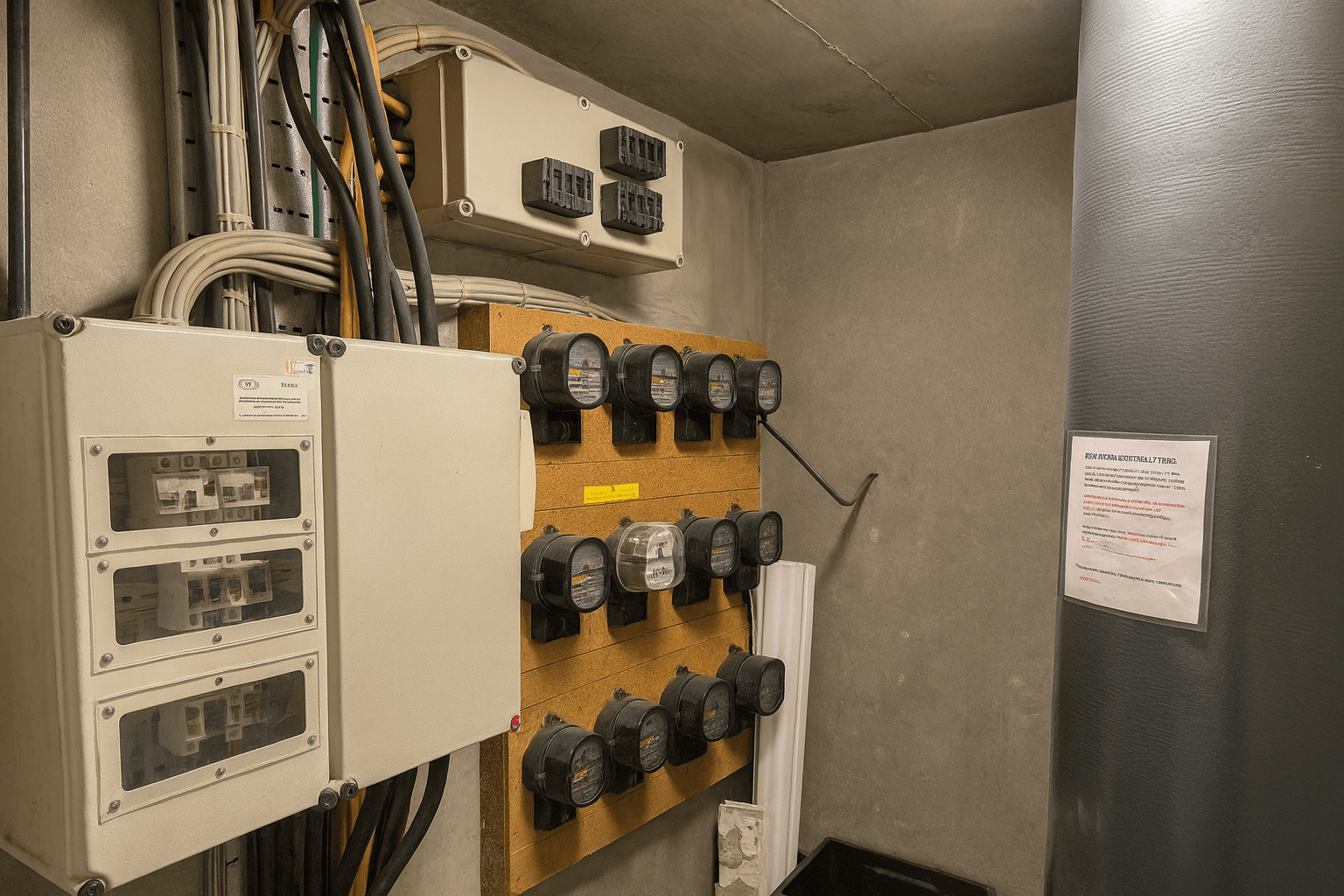
In Queensland, any new electrical work—whether it involves renovations, additional circuits, or alterations—must meet today’s standards, not the rules that applied when the switchboard was first installed. This means that if an existing switchboard is unsafe or non-compliant, it cannot be left as-is. Once work begins, the scope of the upgrade extends to include all protection and devices required under current regulations.
Safety Switch Obligations in Homes
Safety switch requirements for domestic properties have been phased in over time. From 1992, they became compulsory on all power circuits, and in 2000 the requirement was extended to both power and lighting circuits. When a property changes hands, the new owner has ninety days to install any missing safety switches. The same ninety-day deadline applies to landlords when a new tenancy begins. Sellers must also declare whether a safety switch is installed, ensuring transparency at the point of sale.
Commercial and Industrial Premises
In workplaces, the law takes a risk-based approach. General-purpose outlets up to 20 amps typically require RCD protection. In higher-risk environments—such as construction or manufacturing—regulators expect older boards to be retrofitted with RCDs if they are absent. Lower-risk office environments have two options: either install RCDs or operate under a strict test-and-tag regime that satisfies regulatory standards. In every case, the duty of the PCBU (Person Conducting a Business or Undertaking) is clear: they must provide an electrically safe workplace. Leaving a switchboard in an unsafe or non-compliant condition exposes the business to enforcement action and legal liability.
What Actually Triggers an Upgrade
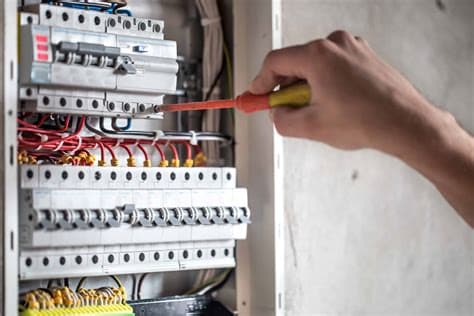
Upgrades are usually triggered when new work interacts with older infrastructure. For example, electricians cannot legally extend or alter a domestic circuit unless it is already protected by a safety switch. Similarly, changes to metering or supply—such as installing new circuits, EV chargers, or solar and battery systems—often require upgrades to create space, add capacity, and provide compliant protection. Safety switch obligations linked to property sales or tenancies also act as a trigger, forcing older boards to be brought up to standard.
No Blanket “Replace Everything” Rule
There is no law that requires every old switchboard to be replaced purely based on age. However, in practice, the rules bite whenever new work occurs or a formal obligation is triggered. This is why older boards are so often upgraded—the moment you alter circuits, change ownership, or face compliance obligations, you must bring the switchboard into line with current standards.
The Standards That Apply
Two Australian Standards dominate in this space. AS/NZS 3000:2018, known as the Wiring Rules, sets out the requirements for protection devices, circuit segregation, and earthing. AS/NZS 61439 covers the design and assembly of low-voltage switchgear and is mandatory for larger commercial and industrial boards. Increasingly, it is also the benchmark for high-quality residential and main switchboards.
Practical Implications for Owners
For property owners, the takeaway is straightforward. If you plan electrical work, expect that your switchboard will at least need RCD protection on the affected circuits. If you are buying or leasing a property, be aware of the ninety-day obligations around safety switches. For businesses, RCD coverage or a compliant alternative regime is not optional. Proactive upgrades not only reduce the risk of fire and electric shock but also align with insurer expectations and prevent costly forced rework down the line.
More on major switchboard upgrades