IoT Hits the Gold Coast’s Commercial Buildings
The Gold Coast isn’t just known for its sun and surf – it’s quickly becoming a digital city. In fact, the City of Gold Coast has rolled out Australia’s largest city-owned IoT network (using LoRaWAN technology) to support “smart city” applications across 1,300 km² of the region . This commercial-grade network can host hundreds of thousands of wireless sensors, laying the groundwork for smarter buildings and infrastructure. Local businesses are encouraged to tap into this network; as one IoT operator notes, IoT solutions have proven benefits across industries – boosting productivity, cutting costs, and improving efficiency and sustainability . In other words, the Gold Coast is literally wired for innovation, and commercial property owners are taking notice.
What does IoT and automation look like in a Gold Coast commercial building? It means sensors and controllers embedded in electrical systems – lighting, HVAC, security, solar panels, you name it – all communicating in real time. These “smart” components feed into a central Building Management System (BMS) or energy platform that can analyse data and adjust settings on the fly. For example, occupancy sensors can tell when an office floor is empty and dial down the lighting and air conditioning automatically. At the new HOTA Gallery in Surfers Paradise (opened 2021), an advanced BMS was installed to monitor everything from temperature and humidity (to protect artworks) to energy use. That system is even linked to the City of Gold Coast’s central energy management platform for city-wide oversight – a sign of how deeply IoT is integrating into local operations.
Smart Building Examples in the Gold Coast
Several cutting-edge developments in the Gold Coast are showcasing this smart power revolution. A recently completed office building in Robina, for instance, was designed as a state-of-the-art, sustainable hub with IoT-driven energy efficiency features (it achieved a 5-star NABERS energy rating) . Its automation systems continually fine-tune lighting and climate control, helping the building operate with minimal wasted energy. And it’s not just new builds – even existing commercial sites are getting upgrades. Shopping centers have begun embracing IoT to slash their hefty power bills. One major Queensland retail complex implemented a holistic IoT energy management solution on top of its legacy BMS. By installing extra sensors and smarter controls on its HVAC and electrical systems, the center could coordinate seven large chiller plants and multiple power feeds more efficiently. The result? A 7.7% reduction in peak demand and a 12.6% cut in total energy costs for the facility . That’s a big saving, considering peak demand charges were nearly half of its electricity bill!
Even public infrastructure is joining in. The Gold Coast City Council has deployed smart water meters citywide that use IoT connectivity to detect leaks early and feed back real-time usage data . This initiative has already caught thousands of leaks before they became costly surprises, saving the community water and money. It’s a vivid example of how IoT sensors – whether in water pipes or electrical panels – can provide early warnings and actionable data. Inspired by such successes, Gold Coast property developers are increasingly building “smart” capabilities into new projects from the ground up. From hotels retrofitting smart thermostats in guest rooms, to office high-rises with app-controlled lighting, these examples show the trend is widespread and accelerating.
Benefits for Businesses, Property Managers, and Developers
Why are Gold Coast businesses and building owners investing in these technologies? Simply put, IoT and automation offer a suite of benefits that appeal to the bottom line and beyond. Key advantages include:
- Energy Efficiency & Cost Savings
- One of the biggest drivers is cutting energy waste. Smart buildings can fine-tune their power use in ways humans just can’t. Studies show that using IoT sensors and real-time energy management can reduce building energy costs by around 15% on average . Lights turn off when nobody’s around; AC units throttle down on cool nights – it all adds up. Less energy waste also means lower carbon footprints, helping businesses hit sustainability targets.
- Remote Monitoring & Control
- For property managers, automation is like having eyes and hands on-site 24/7. IoT dashboards let them monitor electrical loads, temperatures, and equipment status in real time from a smartphone or laptop. They can receive alerts if, say, a circuit is overheating or a critical freezer fails – and then remotely adjust systems or dispatch a tech immediately. This level of insight and control was unheard of a decade ago, and it drastically reduces response times for any facility issues.
- Predictive Maintenance
- Instead of reacting to equipment failures, IoT enables a proactive approach. Sensors embedded in electrical panels, switchgear, or HVAC units continuously check conditions like temperature, vibration, or current draw. Using this data, AI algorithms can spot subtle signs of trouble (a fan starting to vibrate unusually, or a pump drawing more power than normal) before a breakdown occurs. Building managers can then fix or service the component at a convenient time. This predictive maintenance avoids costly unplanned downtime and extends the life of expensive assets . It’s like getting an early warning light for your building’s critical systems.
- Enhanced Comfort and Productivity
- Automation isn’t only about saving money – it also creates better environments for occupants. IoT-driven systems continuously adjust lighting, ventilation, and climate for optimal comfort. For example, smart lighting panels might dim slightly when plenty of sunlight is coming through the windows, or brighten when a storm rolls in. Air conditioning can automatically modulate to keep temperature and humidity at ideal levels. Some Gold Coast offices even let employees personalise their workspace climate via smartphone apps. Studies suggest that these measures not only cut energy use but also boost employee productivity (people work better when the environment is comfortable and well-lit) . In retail settings like shopping centres or hotels, a well-regulated environment improves the customer experience too – all of which is good for business.
- Better Data for Decision-Making
- Last but not least, IoT generates a wealth of data that businesses can harness. Energy dashboards can break down exactly which floors or machines are guzzling the most power. Armed with this knowledge, managers can target inefficiencies – maybe upgrading an old chiller that’s drawing too much power or rebalancing loads among circuits. Data on occupancy patterns might inform changes in office layout or operating hours. Essentially, automation turns buildings into data-driven assets, and savvy Gold Coast businesses are using those insights to streamline operations further.
Integrating Solar, Batteries and EV Charging – A Gold Coast Perspective
The Gold Coast’s sunny climate and forward-thinking policies have made solar power and battery storage increasingly common in commercial developments. Many business owners have blanketed their rooftops with solar PV panels, taking advantage of Queensland’s abundant sunshine (no wonder more than 800,000 rooftops statewide now sport solar systems ). But integrating these renewable energy sources into a building’s electrical system requires smart coordination – another job for IoT and automation.
Energy Management Systems (EMS) now often include modules specifically for solar and battery integration. These systems monitor solar output in real time and can make automatic decisions: for example, prioritizing solar power for the building’s daytime loads when generation is high, or charging the on-site battery pack during a sunny midday to use that energy later during peak rate periods. If clouds roll in and solar production dips, the EMS smoothly switches critical loads back to grid power or battery without human intervention. This kind of dynamic control maximises the use of free solar energy and minimizes reliance on the grid, saving on power bills. It can also help with peak shaving – using battery power to reduce demand spikes – which, as seen in the earlier shopping centre example, can yield significant cost savings .
Electric vehicle charging stations are another emerging piece of the puzzle. With EV ownership growing in South East Queensland, commercial properties (from offices to shopping malls) are installing chargers for customers and staff. However, fast chargers can draw a lot of power, so unmanaged charging could strain a building’s electrical capacity or incur huge peak charges. IoT and automation come to the rescue here as well. Smart EV charging systems can schedule and modulate charging sessions: for instance, staggering the charging of multiple vehicles so they don’t all hit peak draw simultaneously, or dialing down charger power if the building is nearing a demand threshold. Chargers can also be tied into the solar/battery EMS – so an office might program its car park chargers to preferentially use solar power at midday, or to only offer high-speed charging when the building’s overall load is low. The goal is to avoid any nasty surprises on the electric bill while still offering the convenience of on-site charging.
The Gold Coast City itself has demonstrated what this integration can achieve on a larger scale. Recently the Council installed a network of ten EV fast-charging stations across the Coast, all powered by distributed solar energy via a city-run virtual power plant . This setup intelligently balances solar generation and grid supply to run the chargers, ensuring EV drivers get clean, renewably powered top-ups. It’s a model that forward-thinking commercial developers are taking note of – essentially creating a microcosm of a smart grid within their own sites.
Local Drivers: Policies and Trends Fueling Smart Power
The shift toward IoT and automation in commercial electrical systems isn’t happening in a vacuum – it’s reinforced by local policies and market trends. Queensland’s government has set ambitious renewable energy targets (50% renewable power by 2030, ramping to 70% by 2032) . This broader push for sustainability means new developments are expected to be greener and more energy-efficient than ever. To attract tenants and meet investor expectations, developers in the Gold Coast know their buildings must hit high marks for energy performance (often measured by NABERS or Green Star ratings). Achieving a 5- or 6-star rating practically demands the use of smart automation – there’s no way to reach those efficiency levels with old-school manual controls. City planning trends also favor “smart” infrastructure: the Gold Coast’s City Plan and development guidelines encourage sustainable design and the use of technology to improve building performance. Local utility providers offer demand management incentives and time-of-use tariffs, which make the case for automated control even stronger (why pay peak rates if your building can automatically pre-cool itself an hour earlier on cheaper power?).
Furthermore, the Gold Coast’s Digital City Program and IoT network have lowered barriers to entry for smart building tech. With the city providing a ready-made connectivity platform , even smaller businesses can deploy IoT sensors without investing in expensive networking of their own. It’s not surprising that the Gold Coast is often cited as one of Australia’s emerging “smart city” sandboxes – local universities, startups, and tech companies are collaborating on everything from AI-driven energy analytics to smart appliance prototypes. All this means a rich ecosystem is evolving to support commercial building automation.
Regulations are catching up too: electrical codes and standards now account for new tech like battery storage systems and EV chargers, ensuring safety and grid compatibility. Importantly, none of this is about forcing businesses to adopt gizmos for the sake of it – it’s about unlocking practical improvements. The master electricians leading this revolution on the Gold Coast often stress that smart automation is another tool in the toolbox for reliability and efficiency. It complements, rather than replaces, solid electrical design and maintenance practices.
Conclusion: Empowering the Gold Coast with Smart Power
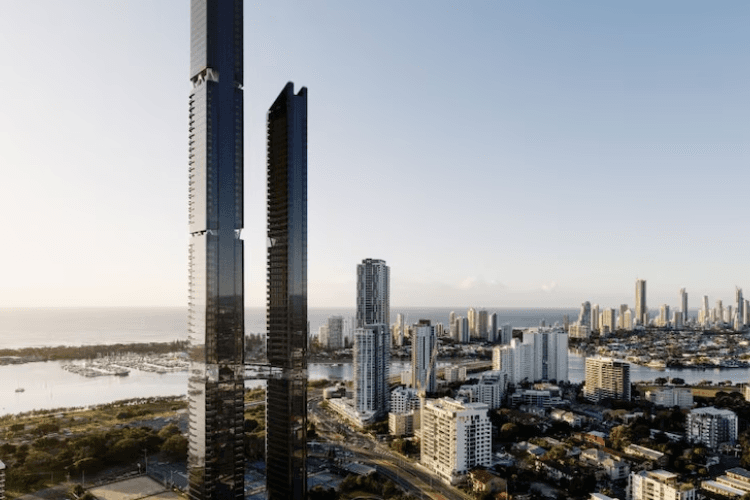
The smart power revolution is well underway on the Gold Coast, turning commercial buildings into intelligent, responsive environments. IoT and automation technologies are no longer futuristic add-ons; they’re becoming the new norm for any business that wants to stay competitive, save costs, and meet sustainability goals. From gleaming new beachfront towers to retrofit shopping centres in the suburbs, IoT-driven electrical systems are delivering tangible benefits – lower energy bills, fewer breakdowns, happier tenants and a smaller environmental footprint. Crucially, this transformation is happening in an engaging, non-intrusive way: much of the tech works quietly in the background, with facility managers keeping a finger on the pulse through their dashboards.
For property managers and developers in the Gold Coast, embracing this smart technology is akin to an experienced electrician embracing a superior set of tools – it simply makes the job of running a building easier and more effective. As the region continues to grow (and as Queensland hurtles toward its renewable energy targets), the importance of efficient, automated electrical systems will only intensify. The good news is that the expertise and infrastructure are already here. Gold Coast electricians and tech specialists are pioneering solutions that integrate solar arrays, backup batteries, EV chargers, and building automation into cohesive systems that learn and adapt.
In the end, the story of IoT and automation in commercial electrical systems is really about empowerment – giving business owners and facility operators unprecedented control over their energy use and environment. It’s about a high-rise that can think for itself to optimise comfort and efficiency, or a network of buildings that can talk to each other and the grid to flatten out demand peaks. For the Gold Coast, a region known for its bright outlook (in weather and in mindset), this smart power revolution offers a bright future indeed – one where technology and sustainability go hand in hand, and where buildings quietly take care of themselves so people can focus on thriving.
Sources:
- City of Gold Coast – Internet of Things Network Announcement
- RCR Wireless News – Gold Coast IoT Network Launch & Benefits
- IoT World Today – Smart Building Energy Management Report
- Alliance CGC – Future of Smart Buildings (Predictive Maintenance & Efficiency)
- Austec Automation Case Study – Hyperdome Shopping Centre Energy Savings
- GovLaunch – Gold Coast EV Charging and Virtual Power Plant
- QLD Ministerial Statement – Renewable Energy Targets and Solar Uptake